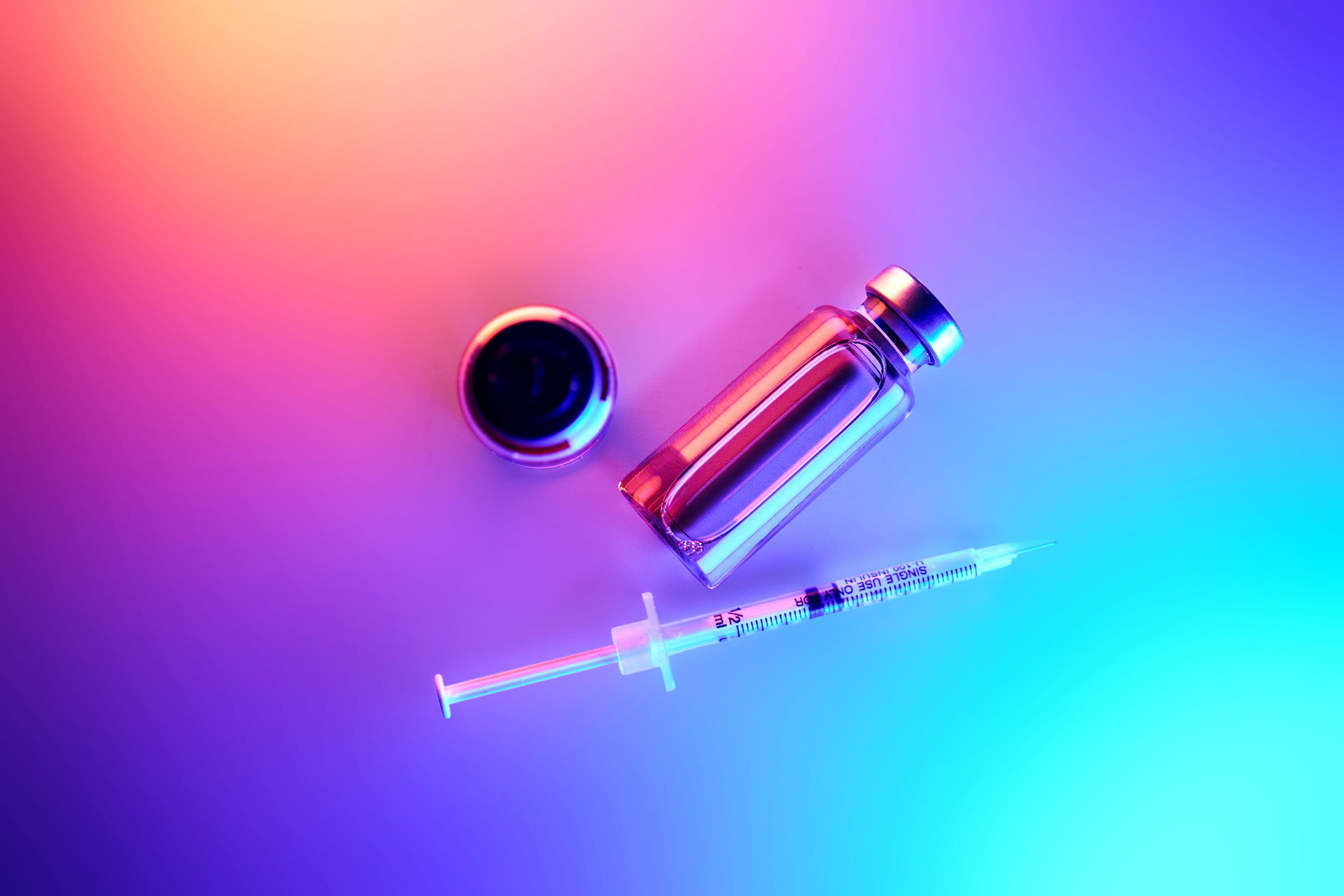
For many people interested in healthy aging, improving recovery, or optimizing overall wellness, growth hormone is often part of the conversation. While synthetic human growth hormone (HGH) has received significant attention over the years, another option has become increasingly popular among patients seeking a more measured, physiology-based approach: Sermorelin peptide therapy.
Rather than replacing the body's natural growth hormone, Sermorelin works differently. It encourages the pituitary gland to continue doing what it was designed to do — produce growth hormone in response to the body's own signaling processes. That distinction is one of the reasons many clinicians view Sermorelin as an appealing option for carefully selected patients.
Understanding how Sermorelin works, who may benefit from it, and how it differs from traditional HGH therapy can help patients have more informed conversations with their healthcare providers.
What Is Sermorelin?
Sermorelin is a synthetic peptide that mirrors a naturally occurring portion of growth hormone-releasing hormone (GHRH). GHRH is produced by the hypothalamus and acts as the body's messenger, signaling the pituitary gland to release growth hormone.
As people age, natural growth hormone production gradually declines. This change is normal, but it may contribute to several age-related concerns, including:
- Slower recovery after exercise
- Reduced lean muscle mass
- Increased body fat
- Lower energy levels
- Changes in sleep quality
- Decreased exercise performance
Sermorelin is designed to stimulate the body's own production of growth hormone rather than replacing it directly.
Because it works upstream in the natural hormone pathway, many clinicians consider Sermorelin a more physiologic approach to supporting growth hormone function.
How Sermorelin Supports Natural Growth Hormone Production
One of the most important differences between Sermorelin and synthetic HGH is how the body regulates the response.
After administration, Sermorelin binds to receptors in the pituitary gland, encouraging the release of growth hormone. The body's existing feedback mechanisms remain active throughout this process.
In other words, the body still determines how much growth hormone to release based on its own regulatory systems.
This natural feedback loop may help preserve normal hormone rhythms rather than overriding them.
For many longevity-focused clinicians, supporting normal physiology whenever possible is an important principle of treatment.
Potential Benefits of Sermorelin Therapy
Research on growth hormone physiology continues to evolve, and results vary from person to person. Patients who are appropriate candidates for Sermorelin therapy may experience improvements in several areas over time.
Body Composition
Growth hormone plays an important role in maintaining lean muscle while helping regulate fat metabolism. Some patients notice:
- Increased lean muscle development alongside exercise
- Reduced body fat
- Improved muscle definition
- Better exercise recovery
These changes generally occur gradually and work best when combined with regular physical activity and good nutrition.
Recovery and Physical Performance
Growth hormone contributes to tissue repair throughout the body. Patients sometimes report:
- Faster recovery following workouts
- Less muscle soreness
- Improved exercise tolerance
- Greater endurance during physical activity
These improvements may allow individuals to maintain a more consistent fitness routine.
Sleep Quality
Natural growth hormone secretion occurs primarily during deep sleep. Although sleep and hormone regulation influence one another in complex ways, some patients receiving Sermorelin therapy report improvements in:
- Falling asleep
- Staying asleep
- Feeling more rested upon waking
Better sleep can also have positive effects on mood, recovery, and daily energy levels.
Healthy Aging Support
Many patients pursue Sermorelin as part of a broader longevity strategy rather than seeking dramatic physical changes. Potential areas of interest include:
- Supporting healthy body composition
- Maintaining muscle during aging
- Encouraging recovery
- Promoting overall vitality
- Supporting active lifestyles
It is important to recognize that responses vary considerably between individuals, and treatment should always be personalized.
Sermorelin vs. Human Growth Hormone
Although both therapies involve growth hormone, they function very differently.
| Sermorelin | Human Growth Hormone (HGH) |
|---|---|
| Stimulates the body's own growth hormone production | Directly replaces growth hormone |
| Works through the pituitary gland | Bypasses natural pituitary signaling |
| Maintains normal feedback regulation | Delivers hormone externally |
| Supports physiologic hormone release | Provides predetermined hormone doses |
Because Sermorelin encourages natural hormone production instead of replacing growth hormone outright, many clinicians view it as a different therapeutic strategy rather than simply an alternative version of HGH.
The most appropriate treatment depends on each patient's medical history, laboratory findings, symptoms, and clinical goals.
Who May Be a Candidate?
Sermorelin therapy is not appropriate for everyone.
A healthcare provider may consider whether a patient has symptoms that could be associated with declining growth hormone activity, while also evaluating other possible causes such as:
- Poor sleep
- Thyroid disorders
- Nutritional deficiencies
- Chronic stress
- Low testosterone or estrogen
- Other endocrine conditions
A thorough medical evaluation helps determine whether peptide therapy is appropriate and whether additional testing is needed.
Candidates are often adults interested in:
- Healthy aging
- Preserving muscle mass
- Supporting recovery
- Improving exercise performance
- Optimizing overall wellness under medical supervision
Treatment decisions should always be individualized.
What to Expect During Treatment
Sermorelin therapy is typically prescribed as part of a comprehensive wellness plan rather than as a stand-alone intervention. Many programs include:
- Medical evaluation
- Review of symptoms and health history
- Laboratory testing when appropriate
- Personalized dosing recommendations
- Ongoing clinical monitoring
- Follow-up appointments to assess progress
Patients should understand that improvements often develop gradually.
Unlike treatments that produce rapid short-term changes, Sermorelin works by supporting natural hormone signaling over time. Many individuals begin noticing subtle improvements after several weeks, while body composition changes may require several months of consistent therapy combined with healthy lifestyle habits.
Lifestyle Still Matters
No peptide therapy replaces the fundamentals of good health.
Patients generally achieve the best results when Sermorelin therapy is paired with healthy daily habits, including:
- Resistance training
- Regular cardiovascular exercise
- Adequate protein intake
- Consistent sleep schedules
- Stress management
- Weight management
- Routine medical care
These factors work together to support healthy hormone function and overall well-being.
A Personalized Approach to Longevity
Interest in peptide therapy continues to grow as more patients seek proactive ways to support healthy aging without attempting to override the body's natural physiology.
Sermorelin nasal spray represents a different approach. Instead of supplying growth hormone directly, it works by encouraging the body's own hormone production while allowing normal regulatory systems to remain in control.
For individuals exploring clinician-guided longevity strategies, that distinction can be meaningful. A comprehensive medical evaluation can help determine whether Sermorelin therapy fits within a broader plan focused on maintaining strength, recovery, metabolic health, and long-term wellness.
As with any hormone-related treatment, the goal is not simply increasing one number on a lab report. The objective is supporting overall health through personalized, evidence-informed care that aligns with each patient's unique needs and long-term goals.
Editorial content only. This article is for general educational purposes and does not constitute medical advice. Sermorelin and other peptide therapies should be discussed with a qualified clinician and tailored to individual health needs.